[12][28][30][31][57][65][66][70][78][83][94][144][145][160][161][189][601][602][603] A review of the patient's current drug regimens should be conducted to detect possible drug-induced ED (e.g., certain antihypertensive, antidepressant, antipsychotic, or antiarrhythmic agents); it may be possible to substitute alternative drug(s) that lessen the risk of such dysfunction.
[12][28][70][81][118][144][161][602][603] In instances where substitution therapy is not feasible, concomitant vasoactive therapy with a PDE 5 type inhibitor may promote patient compliance by counteracting ED as an adverse effect.
Product
Dosage
Quantity + Bonus
Price
Viagra Generic
150mg
120 + 8 Pills
177.58€ 169.12€
Viagra Generic
100mg
60 + 4 Pills
96.36€ 91.77€
Viagra Generic
50mg
180 + 8 Pills
158.82€ 151.26€
Viagra Generic
50mg
10 Pills
26.87€ 25.59€
Kamagra
100mg
60 + 4 Pills
201.34€ 191.75€
Viagra Generic
25mg
20 Pills
37.74€ 35.94€
Viagra Generic
50mg
20 Pills
40.52€ 38.59€
Kamagra Oral Jelly
100mg
90 + 8 Sachets
303.56€ 289.10€
Kamagra
100mg
32 Pills
121.24€ 115.47€
Kamagra Oral Jelly
100mg
10 Sachets
54.55€ 51.95€
Kamagra Soft Tabs
100mg
120 + 6 Pills
311.78€ 296.93€
Viagra Generic
100mg
120 + 6 Pills
149.50€ 142.38€
Viagra Generic
100mg
20 Pills
45.58€ 43.41€
Kamagra Polo
100mg
20 Pills
83.56€ 79.58€
Kamagra
100mg
120 + 6 Pills
330.74€ 314.99€
[12][28][70][81][118][144][161][602][603] Efficacy of sildenafil is variable in patients with ED, in part depending on the underlying etiology, severity, and dose employed, but the drug generally appears to be effective in restoring sexual function to an acceptable level in the majority of treated men. [1][7][8][9][10][25][33][34][65][76][81][101][104][105][126][127][131][142][143][144] The erectile response generally increases with increasing sildenafil dose and plasma drug concentration, with response becoming greater at 50- and 100-mg doses than at 25 mg.[1][8][9][33][126][130][131][155] Analyses of subgroups of patients with ED indicate that efficacy of sildenafil is not affected by race or age, duration of ED, or duration of select underlying disease states (e.g., diabetes mellitus), and the drug has been effective in a broad range of patients with ED, including those with a history of coronary artery disease (e.g., coronary artery bypass graft [CABG]), hypertension, other cardiac disease (including ischemic heart disease), peripheral vascular disease, type 1 or 2 diabetes mellitus, depression, radical prostatectomy, prostate brachytherapy, transurethral resection of the prostate (TURP), spina bifida, spinal cord injury, and in patients taking antidepressants, antipsychotics, diuretics, and antihypertensive agents. [1][25][30][33][34][93][101][102][104][105][107][108][112][118][126][127][128][129][130][131][132][133][134][140][144] Pooled data from numerous fixed-dose and flexible-dose studies in men with ED secondary to a broad spectrum of organic and psychogenic causes showed increases in mean rates of successful intercourse (total successes divided by total attempts) to about 66-69% in those receiving sildenafil compared with about 20-22% for placebo. Erectile response to sildenafil is better in patients whose erectile function is less impaired at treatment initiation (e.g., those with some spontaneous successful intercourse, with partial erections, with erections during sleep, or with psychogenic causes).
2. Sildenafil Tablets Dosage and Administration
Sildenafil also has been effective in a limited number of men with temporary ED associated with the stress of providing a sperm sample (e.g., for intrauterine insemination or in vitro fertilization during assisted reproduction). [143] In men with a history of such temporary dysfunction, planned use of sildenafil for subsequent attempts at obtaining a sperm specimen may improve attainment of an erection adequate for self-stimulated ejaculation. While most males with ED respond to oral sildenafil therapy, treatment failures do occur; pooled data from various placebo-controlled, dose-response, or open-label studies (25-100 mg for 6-12 months) indicate that up to 5% of patients discontinued therapy because of lack of effectiveness. [1][7][33][69][93][104][107][128][131][132][163][165] Information on the long-term effects of sildenafil is limited, and thus the optimum duration of therapy is not known. [1][33][81][128][132] In clinical studies, sildenafil was used in patients ranging in age from 19-87 years of age with a duration of ED averaging 5 years.
Drugs Affecting Gastric Acidity
[1] In several long-term and open-label studies, sildenafil remained effective for at least 0.5-4 years, with no evidence of tachyphylaxis during long-term use, and current evidence indicates that continued therapy is necessary as long as the condition persists (i.e., sildenafil is not a cure for ED). The safety and efficacy of sildenafil in combination with other treatments for ED have not been established. [1] Such combined therapy may further lower blood pressure and is not recommended by the manufacturer. With the availability of orally active and convenient vasoactive (erectogenic) therapies (e.g., selective phosphodiesterase [PDE] type 5 inhibitors such as sildenafil, tadalafil, avanafil, and vardenafil), most experts (e.g., the American Urological Association [AUA]) now consider these drugs to be first-line therapies for a broad range of patients with ED. Because PDE type 5 inhibitors are sildenafil for women administered orally, they are likely to be more acceptable to men with ED than other vasoactive therapies (e.g., intracavernosal injections, intraurethral suppositories) or mechanical or prosthetic devices.
Typical dosages
[26][33][81][94][107][602] Alternative therapies (e.g., intracavernosal or intraurethral vasoactive agents, vacuum constriction devices) may be considered for patients who fail to respond to, or are not candidates for, first-line therapy (e.g., patients who require nitrate therapy). [144][155][161][189][601] Ultimately, the choice of therapy for ED should be individualized, taking into account patient response, tolerability and safety; administration considerations, cost and patient reimbursement factors; experience and judgment of the clinician; and individual patient and partner preference, expectations, and satisfaction. [33][65][81][101][189][601][602] PDE type 5 inhibitors are effective only in the presence of adequate sexual stimulation. [1][189][602] Prior to proceeding to alternative therapies in patients reporting failure of selective PDE type 5 inhibitor therapy, an evaluation to determine whether there was an adequate trial should be undertaken. [34][104][602] Treatment failure may also be attributed to incorrect use of PDE type 5 inhibitor therapy (e.g., lack of sexual stimulation, medication taken with a large meal). [1][33][105][145] In one flexible-dose study (dosage titration and maintenance up to 100 mg), mean scores for number of successful penetrations returned to normal in a subgroup of patients with psychogenic causes of ED; however, mean scores for maintenance of erections during intercourse in these men were lower than in untreated healthy men. [33][34] In a study in men with ED secondary to radical prostatectomy receiving fixed-dose sildenafil (100 mg), response to therapy was greatest in those who had undergone bilateral-nerve-sparing surgery than in those who had undergone unilateral or non-nerve-sparing procedures. [104][127] Pooled data from various clinical trials indicate that sildenafil improved the erections of 43% of patients with ED secondary to radical prostatectomy compared with 15% of those receiving placebo.
Patient Group
Recommended Dosage
Administration Tips
Contraindications
Adult Men with ED
200 mg once daily
Take 30-60 min before activity
Nitrate medication use, severe liver impairment
Pulmonary Hypertension
20 mg three times daily
Take with water, on an empty stomach
Concurrent use of compatible medications
Elderly Patients
Start with lower doses
Adjust based on response
Liver or kidney impairment
Patients with Kidney Disease
Dose adjustment may be needed
Follow physician instructions
Severe renal impairment
[1][104] A pooled analysis of 10 placebo-controlled studies of men with severe ED (organic etiology in 60%, psychogenic in 15%, and mixed in 25% of patients) treated with sildenafil (50-100 mg in fixed- or flexible-dose studies) indicated that 48% of the patients usually had erections sufficient for intercourse (score of 4, with 0 being unsuccessful and 5 being almost always successful) after treatment with sildenafil, compared with 8% of those receiving placebo. [76][127] In several randomized, double-blind, placebo-controlled studies in patients receiving sildenafil (flexible doses up to 100 mg or fixed doses ranging from 10-100 mg for 12 weeks) for the treatment of ED attributed to complications of diabetes mellitus, complications of spinal cord injury, or psychogenic causes, 48, 59, or 70% of all attempts sildenafil oral jelly 100mg at intercourse were successful, respectively, compared with 12, 13, or 29% of all attempts in those receiving placebo.
About the Company
[1][7][8][9][10][25][33][93] In these studies, sildenafil improved several aspects of sexual function including frequency, firmness, and maintenance of erection; frequency of orgasm; satisfaction and enjoyment of intercourse; and overall relationship satisfaction. [1][8][9][33][94][107][130][131][142] Pooled data from fixed- and flexible-dose studies indicate that sildenafil (50 or 100 mg) has no effect on sexual desire (i.e., rates of attempted intercourse, which averaged about 2 per week), but the rate of success increased to an average of 1.3 events per patient per week from 0.4 events per week with placebo. [1][8][33][131] In part, the absence of an effect on sexual desire may be attributed to the fact that men enrolling in ED studies generally have a near-normal level of sexual desire upon study entry. [33][107][130][131] Improvement in erectile function sufficient for successful intercourse can be achieved with sildenafil in a substantial percentage of patients with ED, and the strength and duration of erection achieved with the drug in such patients approached those achieved in untreated healthy men. Sildenafil also has been effective in a limited number of men with temporary ED associated with the stress of providing a sperm sample (e.g., for intrauterine insemination or in vitro fertilization during assisted reproduction). [143] In men with a history of such temporary dysfunction, planned use of sildenafil for subsequent attempts at obtaining a sperm specimen may improve attainment of an erection adequate for self-stimulated ejaculation. While most males with ED respond to oral sildenafil therapy, treatment failures do occur; pooled data from various placebo-controlled, dose-response, or open-label studies (25-100 mg for 6-12 months) indicate that up to 5% of patients discontinued therapy because of lack of effectiveness. [1][7][33][69][93][104][107][128][131][132][163][165] Information on the long-term effects of sildenafil is limited, and thus the optimum duration of therapy is not known.
Sildenafil 200 mg's safety profile depends on individual health conditions.
It is important to inform your doctor of all medications being taken.
Use sildenafil only when needed for sexual activity.
Avoid engaging in activities that require alertness until effects are known.
The drug is often part of a broader erectile dysfunction treatment strategy.
Safe storage is essential to prevent accidental ingestion by children or others.
[1][33][81][128][132] In clinical studies, sildenafil was used in patients ranging in age from 19-87 years of age with a duration of ED averaging 5 years.
Addressing the Psychological Factors
[189] The possibility that another selective PDE type 5 inhibitor therapy may be effective should be considered in patients who fail an adequate trial with one drug. [189][601][602] Although differences in the pharmacokinetics of these drugs (onset and duration) may exist, data currently are insufficient to support the superiority of one selective PDE type 5 inhibitor over another. Administer sildenafil tablets orally without regard to meals; however, administration with a high-fat meal may delay the onset of action. [1] [117][131] Administer the drug approximately 1 hour before anticipated sexual activity. [1][28][33][81][91][93][94][102][105][118][130][132][161][602][603] Sexual stimulation is required for response to therapy.
Adjusting Your Sildenafil Dosage Over Time
Sildenafil tablets should be stored at 20-25°C (excursions permitted to 15-30°C). For the treatment of erectile dysfunction (ED), the recommended initial dosage of sildenafil is 50 mg orally as needed approximately 1 hour before anticipated sexual activity. [1][28][33][81][91][93][94][102][105][118][130][132][161] The maximum recommended dosing frequency is once per day. [1] The dose may be taken anywhere from 4 hours to 30 minutes before sexual activity.
2.3 Dosage Adjustments in Specific Situations
[1] In several long-term and open-label studies, sildenafil remained effective for at least 0.5-4 years, with no evidence of tachyphylaxis during long-term use, and current evidence indicates that continued therapy is necessary as long as the condition persists (i.e., sildenafil is not a cure for ED). The safety and efficacy of sildenafil in combination with other treatments for ED have not been established. [1] Such combined therapy may further lower blood pressure and is not recommended by the manufacturer. With the availability of orally active and convenient vasoactive (erectogenic) therapies (e.g., selective phosphodiesterase [PDE] type 5 inhibitors such as sildenafil, tadalafil, avanafil, and vardenafil), most experts (e.g., the American Urological Association [AUA]) now consider these drugs to be first-line therapies for a broad range of patients with ED. Because PDE type 5 inhibitors are sildenafil for women administered orally, they are likely to be more acceptable to men with ED than other vasoactive therapies (e.g., intracavernosal injections, intraurethral suppositories) or mechanical or prosthetic devices. [26][33][81][94][107][602] Alternative therapies (e.g., intracavernosal or intraurethral vasoactive agents, vacuum constriction devices) may be considered for patients who fail to respond to, or are not candidates for, first-line therapy (e.g., patients who require nitrate therapy). [144][155][161][189][601] Ultimately, the choice of therapy for ED should be individualized, taking into account patient response, tolerability and safety; administration considerations, cost and patient reimbursement factors; experience and judgment of the clinician; and individual patient and partner preference, expectations, and satisfaction.
Sildenafil 200 mg is not suitable for everyone; consult a doctor beforehand.
Overdose can lead to serious risks like vision loss or prolonged erections.
The medication should be stored in a cool, dry place away from children.
It can interact with other medications, including blood thinners and antihypertensives.
Sildenafil enhances the effects of nitric oxide, relaxing blood vessels.
Patients should avoid heavy meals before taking sildenafil 200 mg.
[33][65][81][101][189][601][602] PDE type 5 inhibitors are effective only in the presence of adequate sexual stimulation. [1][189][602] Prior to proceeding to alternative therapies in patients reporting failure of selective PDE type 5 inhibitor therapy, an evaluation to determine whether there was an adequate trial should be undertaken. [34][104][602] Treatment failure may also be attributed to incorrect use of PDE type 5 inhibitor therapy (e.g., lack of sexual stimulation, medication taken with a large meal).
[12][28][30][31][57][65][66][70][78][83][94][144][145][160][161][189][601][602][603] A review of the patient's current drug regimens should be conducted to detect possible drug-induced ED (e.g., certain antihypertensive, antidepressant, antipsychotic, or antiarrhythmic agents); it may be possible to substitute alternative drug(s) that lessen the risk of such dysfunction. [12][28][70][81][118][144][161][602][603] In instances where substitution therapy is not feasible, concomitant vasoactive therapy with a PDE 5 type inhibitor may promote patient compliance by counteracting ED as an adverse effect. [12][28][70][81][118][144][161][602][603] Efficacy of sildenafil is variable in patients with ED, in part depending on the underlying etiology, severity, and dose employed, but the drug generally appears to be effective in restoring sexual function to an acceptable level in the majority of treated men. [1][7][8][9][10][25][33][34][65][76][81][101][104][105][126][127][131][142][143][144] The erectile response generally increases with increasing sildenafil dose and plasma drug concentration, with response becoming greater at 50- and 100-mg doses than at 25 mg.[1][8][9][33][126][130][131][155] Analyses of subgroups of patients with ED indicate that efficacy of sildenafil is not affected by race or age, duration of ED, or duration of select underlying disease states (e.g., diabetes mellitus), and the drug has been effective in a broad range of patients with ED, including those with a history of coronary artery disease (e.g., coronary artery bypass graft [CABG]), hypertension, other cardiac disease (including ischemic heart disease), peripheral vascular disease, type 1 or 2 diabetes mellitus, depression, radical prostatectomy, prostate brachytherapy, transurethral resection of the prostate (TURP), spina bifida, spinal cord injury, and in patients taking antidepressants, antipsychotics, diuretics, and antihypertensive agents. [1][25][30][33][34][93][101][102][104][105][107][108][112][118][126][127][128][129][130][131][132][133][134][140][144] Pooled data from numerous fixed-dose and flexible-dose studies in men with ED secondary to a broad spectrum of organic and psychogenic causes showed increases in mean rates of successful intercourse (total successes divided by total attempts) to about 66-69% in those receiving sildenafil compared with about 20-22% for placebo.
Common Misconceptions About How Viagra Works
Erectile response to sildenafil is better in patients whose erectile function is less impaired at treatment initiation (e.g., those with some spontaneous successful intercourse, with partial erections, with erections during sleep, or with psychogenic causes). [1][33][105][145] In one flexible-dose study (dosage titration and maintenance up to 100 mg), mean scores for number of successful penetrations returned to normal in a subgroup of patients with psychogenic causes of ED; however, mean scores for maintenance of erections during intercourse in these men were lower than in untreated healthy men. [33][34] In a study in men with ED secondary to radical prostatectomy receiving fixed-dose sildenafil (100 mg), response to therapy was greatest in those who had undergone bilateral-nerve-sparing surgery than in those who had undergone unilateral or non-nerve-sparing procedures. [104][127] Pooled data from various clinical trials indicate that sildenafil improved the erections of 43% of patients with ED secondary to radical prostatectomy compared with 15% of those receiving placebo. [1][104] A pooled analysis of 10 placebo-controlled studies of men with severe ED (organic etiology in 60%, psychogenic in 15%, and mixed in 25% of patients) treated with sildenafil (50-100 mg in fixed- or flexible-dose studies) indicated that 48% of the patients usually had erections sufficient for intercourse (score of 4, with 0 being unsuccessful and 5 being almost always successful) after treatment with sildenafil, compared with 8% of those receiving placebo.
2.5 Dosage Adjustments in Special Populations
[76][127] In several randomized, double-blind, placebo-controlled studies in patients receiving sildenafil (flexible doses up to 100 mg or fixed doses ranging from 10-100 mg for 12 weeks) for the treatment of ED attributed to complications of diabetes mellitus, complications of spinal cord injury, or psychogenic causes, 48, 59, or 70% of all attempts sildenafil oral jelly 100mg at intercourse were successful, respectively, compared with 12, 13, or 29% of all attempts in those receiving placebo. [1][7][8][9][10][25][33][93] In these studies, sildenafil improved several aspects of sexual function including frequency, firmness, and maintenance of erection; frequency of orgasm; satisfaction and enjoyment of intercourse; and overall relationship satisfaction. [1][8][9][33][94][107][130][131][142] Pooled data from fixed- and flexible-dose studies indicate that sildenafil (50 or 100 mg) has no effect on sexual desire (i.e., rates of attempted intercourse, which averaged about 2 per week), but the rate of success increased to an average of 1.3 events per patient per week from 0.4 events per week with placebo. [1][8][33][131] In part, the absence of an effect on sexual desire may be attributed to the fact that men enrolling in ED studies generally have a near-normal level of sexual desire upon study entry. [33][107][130][131] Improvement in erectile function sufficient for successful intercourse can be achieved with sildenafil in a substantial percentage of patients with ED, and the strength and duration of erection achieved with the drug in such patients approached those achieved in untreated healthy men. [189] The possibility that another selective PDE type 5 inhibitor therapy may be effective should be considered in patients who fail an adequate trial with one drug. [189][601][602] Although differences in the pharmacokinetics of these drugs (onset and duration) may exist, data currently are insufficient to support the superiority of one selective PDE type 5 inhibitor over another. Administer sildenafil tablets orally without regard to meals; however, administration with a high-fat meal may delay the onset of action.
Sildenafil 200 mg is a high dose used to treat severe erectile dysfunction.
This medication increases blood flow to the penis for improved erection.
It is important to follow a doctor's prescription for 200 mg dosage.
Common side effects include headaches, flushing, and nasal congestion.
Sildenafil should not be mixed with nitrates due to risk of low blood pressure.
The drug is typically taken about an hour before sexual activity.
[1] [117][131] Administer the drug approximately 1 hour before anticipated sexual activity. [1][28][33][81][91][93][94][102][105][118][130][132][161][602][603] Sexual stimulation is required for response to therapy. Sildenafil tablets should be stored at 20-25°C (excursions permitted to 15-30°C). For the treatment of erectile dysfunction (ED), the recommended initial dosage of sildenafil is 50 mg orally as needed approximately 1 hour before anticipated sexual activity. [1][28][33][81][91][93][94][102][105][118][130][132][161] The maximum recommended dosing frequency is once per day. [1] The dose may be taken anywhere from 4 hours to 30 minutes before sexual activity.
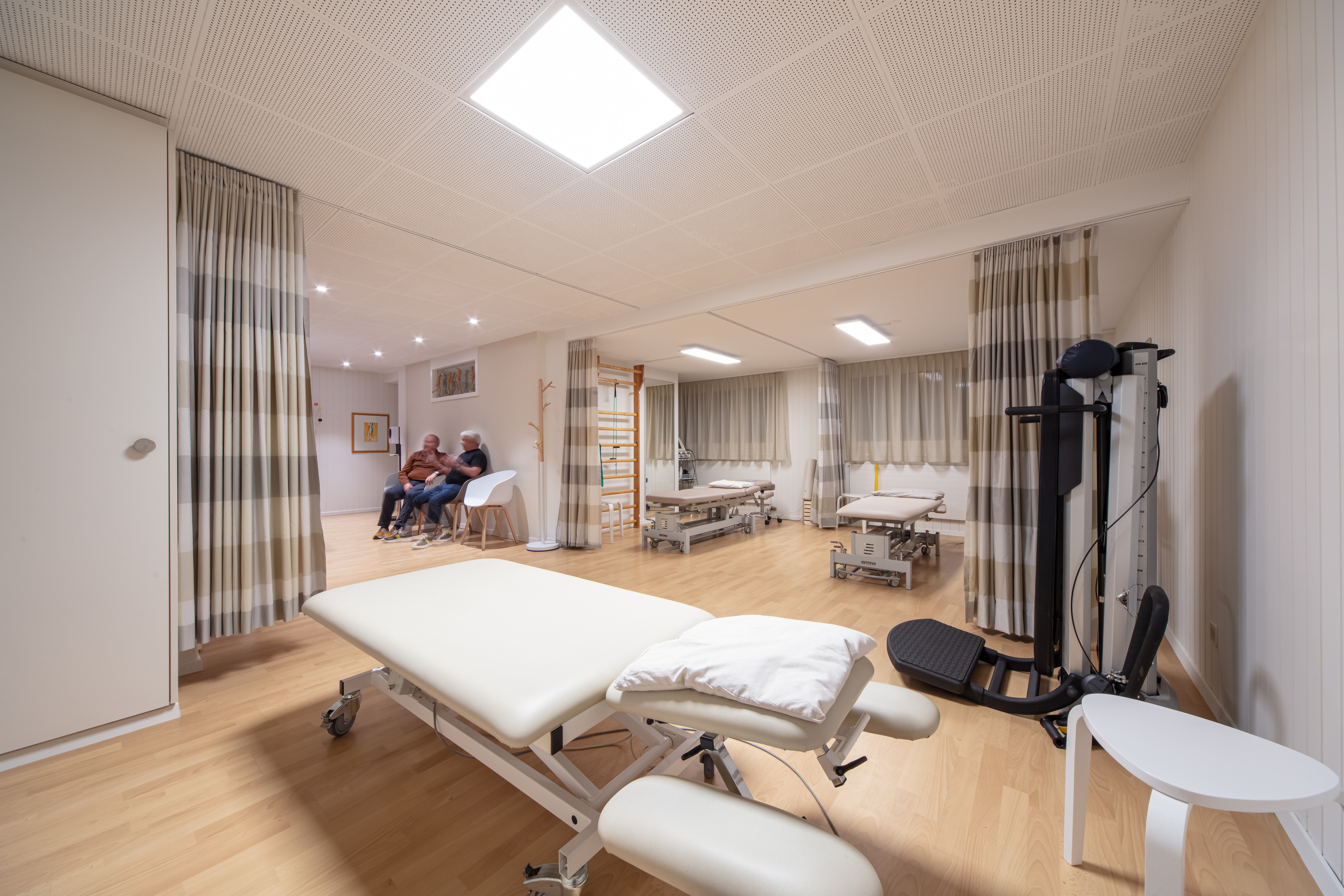
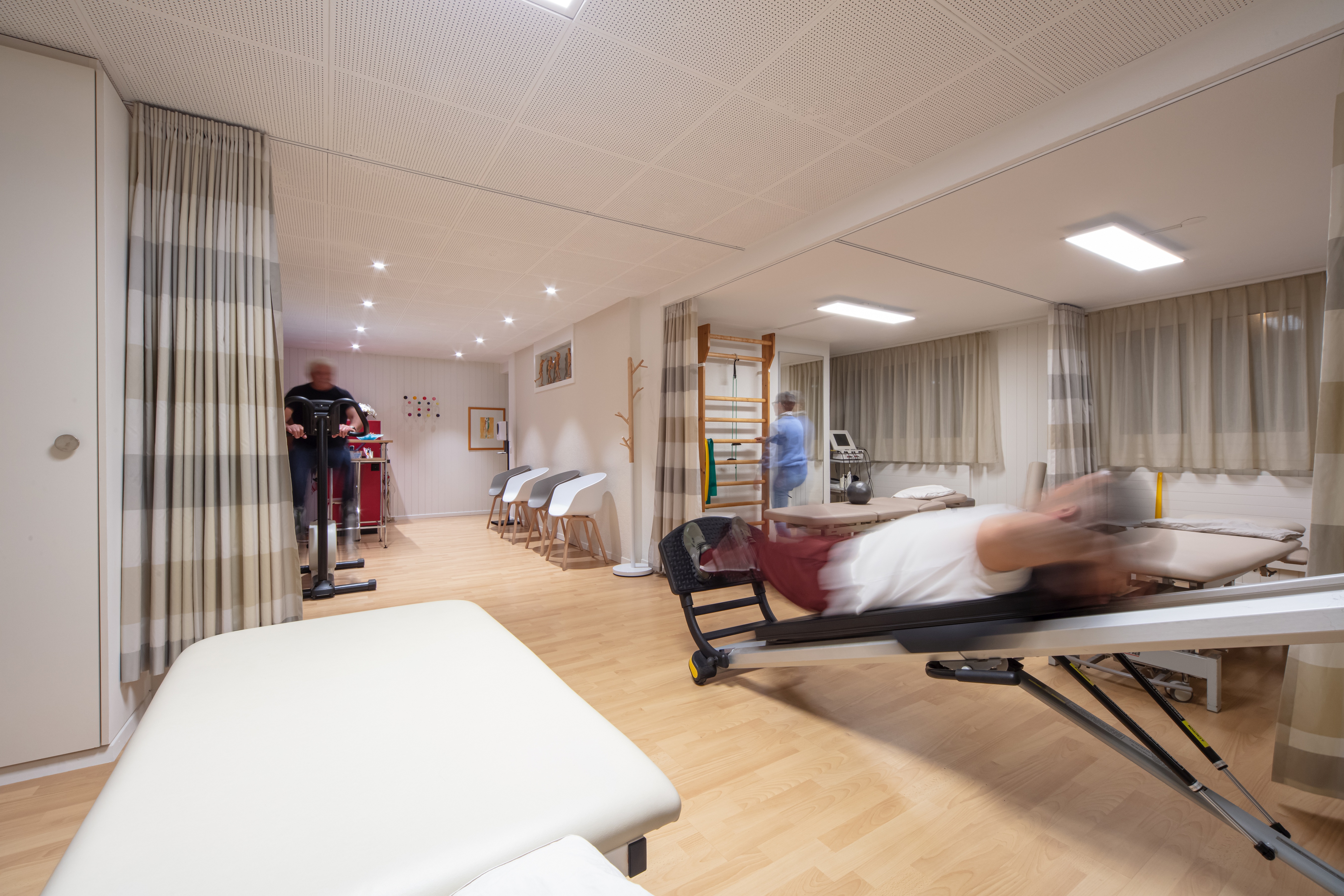
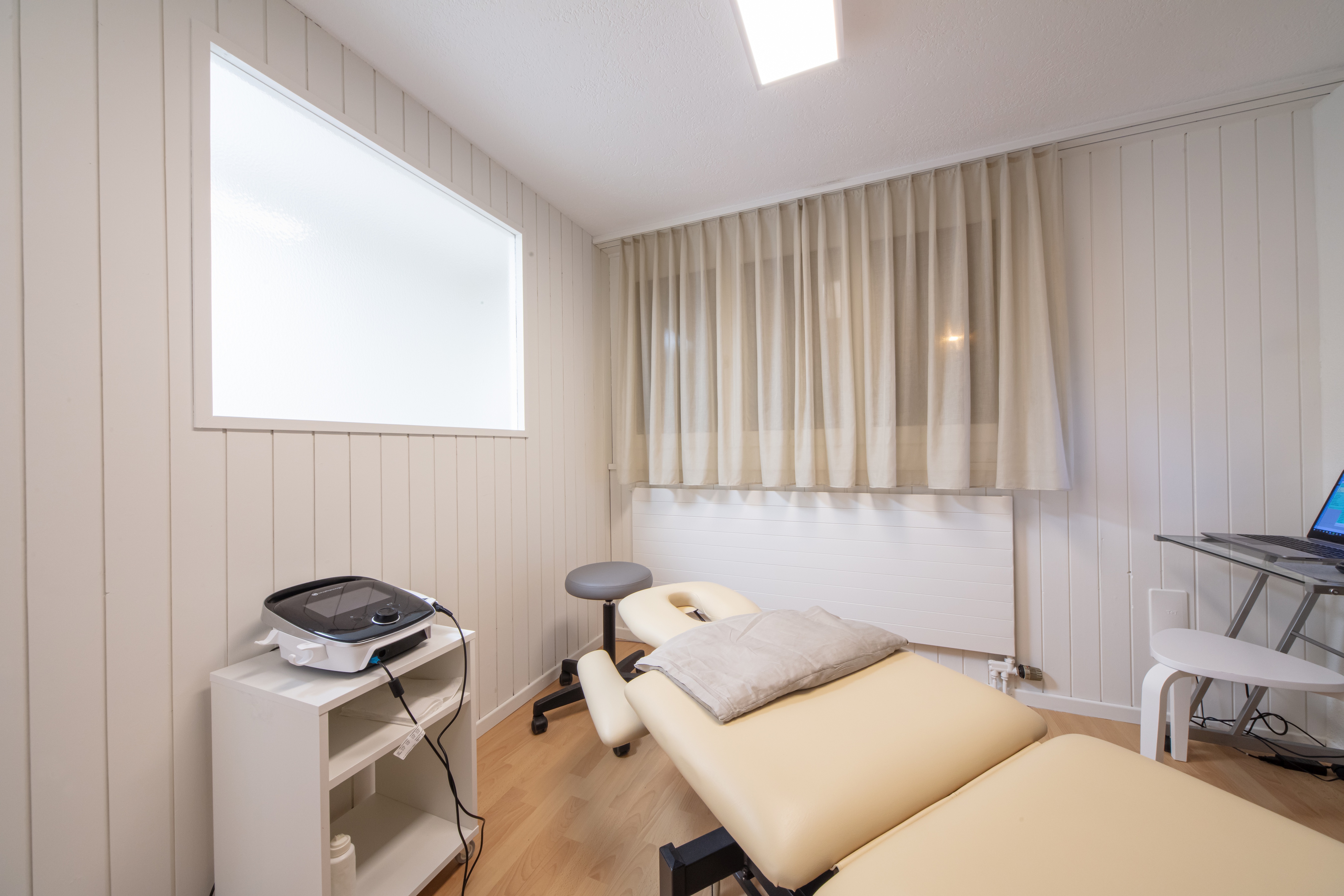
Unser Team mit Dipl. Physiotherapeuten hat sich kontinuierlich weitergebildet und methodisch und technologisch gerüstet. Seit über 30 Jahren helfen wir unseren Patienten die Lebensqualität zu verbessern.