Delayed ejaculation is the least common of the male sexual dysfunctions, and can result as a side effect of some medications.
Prescription mesoridazine (Serentil), a low-potency phenothiazine.
Prescription avanafil (Stendra), a fast-acting PDE5 inhibitor.
Over-the-counter damiana leaf supplements traditionally used as an aphrodisiac.
Prescription reboxetine (Edronax/Vestra), a selective NRI antidepressant.
Prescription chlordiazepoxide (Librium), a long-acting benzodiazepine.
Prescription bicalutamide (Casodex), an antiandrogen for prostate cancer.
In one survey, 8% of men reported being unable to achieve orgasm over a two-month period or longer in the previous year.
Dapoxetine is the only SSRI specifically marketed for delayed ejaculation in some countries.
Combining pills with lubricants may improve overall sexual experience.
Be cautious of potential drug interactions with antidepressants or blood thinners.
Supplements claiming to delay ejaculation are less regulated and may be unreliable.
Always follow medical advice before starting any medication for delayed ejaculation.
[4] DEs are either primary and lifelong or acquired. While most men do experience occasional or short term delayed ejaculation issues, the prevalence of lifelong DE and acquired long-term DE is estimated around 1% and 4%, respectively. Delayed ejaculation can be mild (men who still experience orgasm during intercourse, but only under certain conditions), moderate (cannot ejaculate during intercourse, but can during fellatio or a handjob), severe (can ejaculate only when alone), or most severe (cannot ejaculate at all). [4] All forms may result in a sense of sexual frustration. [6] In most cases, delayed ejaculation presents the condition in which the man can climax and ejaculate only during masturbation, but not during sexual intercourse.
Over-the-Counter (OTC) Solutions and What to Avoid
[33] In 1998, psychologist Lawrence Sank wrote about the pink pill for women "traumatic masturbatory syndrome", when the sensations a man feels when masturbating may bear little resemblance to the sensations he experiences during intercourse. Factors such as pressure, angle and grip during masturbation can make for an experience so different from sex with a partner that the ability to ejaculate is reduced or eliminated. One in three men with DE report idiosyncratic masturbation. Also, high-frequency masturbation is associated with prolonged DE in penetrative sex with the partner accounting for another one third of the cases. Fantasy/partner disparity – that is to say, variant sexual fantasy during masturbation that was not incorporated into sex with their partner – accounted for one in five DEs.
More Information
[34] According to the DSM-5-TR, "Delayed ejaculation is associated with highly frequent masturbation, use of masturbation techniques not easily duplicated by a partner, and marked disparities between sexual fantasies during masturbation and the reality of sex with a partner. "[35]Intravaginal ejaculation disorder is a peculiar Japanese case, but is very similar to "traumatic masturbatory syndrome", which is also mainly caused by intense masturbation. Psychological and lifestyle factors have been discussed as potential contributors, including insufficient sleep, distraction due to worry, distraction from the environment, anxiety about pleasing their partner and anxiety about relationship problems. Religious guilt over sex can cause delayed ejaculation. "Spectatoring", the problem of perceiving sex as a performance rather than a mutual experience and process of pleasure "in the moment" can cause delayed ejaculation.
Men who are solely aroused by sexual fetishes may be unable to ejaculate from regular intercourse. Idiosyncratic masturbation (also known as "idiosyncratic masturbatory style")[31] and lack of desire for stimuli are also proposed risk factors for DE. Intravaginal ejaculation disorder is a peculiar Japanese case, but is very similar to "traumatic masturbatory syndrome", which is also mainly caused by intense masturbation. Diagnosis and management of DE warrant one of the most comprehensive medical evaluation in sexual health assessment that includes a full medical and sexual history performed along with a detailed physical examination. Understanding the quality of the sexual response cycle (desire, arousal, ejaculation, orgasm, and refractory period); details of the ejaculatory response, sensation, frequency, and sexual activity/techniques; cultural context and history of the disorder; partner's assessment of the disorder and if the partner has any sexual dysfunction themselves; and the overall satisfaction of the sexual relationship are all important to garner during history-taking. As of 2015, the DSM-V uses the term "delayed ejaculation" instead of older terms such as "inhibited ejaculation", "impotent ejaculation" or "retarded ejaculation". [7] To determine what amount of time counts as delayed, one source uses a measurement of the mean time for a man to achieve ejaculation in a study of 500 couples having heterosexual vaginal intercourse, which was 8 minutes (with a standard deviation of 7.1 minutes).
Product
Dosage
Quantity + Bonus
Price
Cialis Generic
10mg
180 + 8 Pills
236.88€ 225.60€
Kamagra Effervescent Tablets
100 mg
28 Pills
90.83€ 86.50€
Kamagra Oral Jelly
100mg
21 Sachets
95.92€ 91.35€
Cialis Generic
2.5mg
360 + 10 Pills
260.03€ 247.65€
Cialis Generic
40mg
30 + 4 Pills
74.97€ 71.40€
Cialis Generic
40mg
180 + 10 Pills
277.29€ 264.09€
Levitra Generic
10mg
60 + 6 Pills
112.98€ 107.60€
Viagra Super Active
100mg
60 + 8 Pills
116.84€ 111.28€
Apcalis SX Oral Jelly
20mg
70 + 7 Sachets
184.98€ 176.17€
Kamagra 100 mg
100 mg
84 + 6 Pills
264.44€ 251.85€
Viagra Super Active
100mg
10 Pills
28.76€ 27.39€
[8] Due to men's reputation for being reliably able to ejaculate during sex, in cases where a man faces delayed ejaculation, the woman may perceive that it is due to her not being attractive or due to a fault in her sexual techniques. The etiologies of delayed ejaculation can be age-related, organic, psychological, or pharmacological. Primary lifelong DEs are poorly understood and rarely explained by few congenital anatomic causes (viz., Müllerian duct cyst, Wolffian duct abnormalities, prune belly syndrome, imperforate anus, congenital ejaculatory duct obstruction, genetic abnormalities including cystic fibrosis, etc.) Infective/Inflammation (residual damage from acute infections, chronic infections, urethritis, prostatitis, orchitis, genitourinary tuberculosis, schistosomiasis, lichen sclerosis, etc.) Neurogenic causes (diabetic autonomic neuropathy, spinal cord or nerve root injury from trauma or disc prolapse, multiple sclerosis, etc.). DE can be due to the injury to pelvic nerves responsible for orgasm from trauma as a result of pelvic surgery (viz., prostate surgery including transurethral resection of prostate and bladder neck incision, proctocolectomy, bilateral sympathectomy, abdominal aortic aneurysmectomy, para-aortic lymphadenectomy etc.). Some men report a lack of sensation in the nerves of the glans penis, which may or may not be related to external factors, including a history of circumcision. Some researchers believe that circumcision has a negative effect on men's ejaculation during sex, while others believe that circumcision has no effect. [12][13][14][15] Those who believe in the negative effects of circumcision, such as a reduction of sexual sensitivity in the penis, claim that the part of the penis that is removed during circumcision is one of the most important and sensitive parts involved in receiving sexual pleasure, and that after its removal, sexual pleasure decreases. [16][17][18][19] However, researchers who argue against the negative effects of circumcision on men's sexual pleasure, citing the research and conclusions of international medical bodies such as the World Health Organization and important academic centers, state that circumcision does not have a noticeable effect on the sensitivity of the penis. Endocrine (hypogonadism, pituitary disorders such as hyperprolactinaemia and Cushing's disease, thyroid disorders, etc.). Although low testosterone level had been considered a risk factor in the past, more recent studies have not confirmed any association between ejaculation times and serum testosterone levels. [26][27] Although they may increase sexual desire, stimulants such as amphetamines and cocaine have an inhibitory effect on ejaculation, and can cause erectile dysfunction and reduced penile sensitivity via their vasoconstrictive effects.
Selective serotonin uptake inhibitors (SSRIs)
Relatively normal latency to orgasm with self masturbation as compared to insertive or intravaginal ejaculation latency time reasonably rules out most of the organic causes of DEs. Primary, lifelong DEs are poorly understood and hence less well studied. Organic causes in the acquired DEs should be addressed promptly. Retraining masturbatory practices and re-calibrating the mismatch of sexual fantasies with arousal are essential when these are contributing to DE. Techniques geared towards reduction of anxiety are important skills that can help overcome performance anxiety, as this can often interrupt the natural erectile function through orgasmic progression.
What is the best medication for premature ejaculation?
Therapy usually involves homework assignments and exercises intended to help a man get used to having orgasms through insertional intercourse, vaginal, anal, or oral, that is through the way to which he is not accustomed. Commonly, the couple is advised to go through three stages. [38] At the first stage, a man masturbates in the presence of his partner. Sometimes, this is not an easy matter, as a man may be used to having orgasms alone. After a man learns to ejaculate in the presence of his partner, the man's hand is replaced with the hand of his partner. Psychological (acute psychological distress, relationship distress, psychosexual skill deficit, disconnect between arousal and sexual situations, masturbation style and frequency, etc.) Psychological and lifestyle factors have been discussed as potential contributors, including insufficient sleep, distraction due to worry, distraction from the environment, anxiety about pleasing their partner and anxiety about relationship problems. [29]Religious guilt over sex can cause delayed ejaculation. [30]"Spectatoring", the problem of perceiving sex as a performance rather than a mutual experience and process of pleasure "in the moment" can cause delayed ejaculation. [30]Men who are solely aroused by sexual fetishes may be unable to ejaculate from regular intercourse. [30]Idiosyncratic masturbation (also known as "idiosyncratic masturbatory style")[31] and lack of desire for stimuli are also proposed risk factors for DE.
Not all delayed ejaculation pills are FDA-approved; verify their legitimacy.
Overuse of pills can diminish natural sexual response over time.
Some medications might affect blood pressure or heart rate.
Discuss any concerns about pregnancy or partners when using medications.
Electrotherapy and physical exercises can sometimes complement pills for better control.
[32] The word "idiosyncratic" means something that pertains to an individual. In this case, it means a person who has a way of masturbating that is unique (or out of the ordinary). Most men stroke their penis with their hand in a way that vaguely imitates the stimulation from intercourse.
Premature ejaculation symptoms
In the final stage, the receptive partner inserts the insertive partner's penis into the partner's vagina, anus, or mouth as soon as the ejaculation is felt to be imminent. Thus, a man gradually learns to ejaculate inside the desired orifice by an incremental process. An idiosyncratic style is defined as a technique not easily duplicated by a partner utilizing their hand, mouth, anus, or vagina. In these patients, delayed ejaculation is adaptation to a certain masturbatory technique. [33] In 1998, psychologist Lawrence Sank wrote about the pink pill for women "traumatic masturbatory syndrome", when the sensations a man feels when masturbating may bear little resemblance to the sensations he experiences during intercourse. Factors such as pressure, angle and grip during masturbation can make for an experience so different from sex with a partner that the ability to ejaculate is reduced or eliminated. One in three men with DE report idiosyncratic masturbation. Also, high-frequency masturbation is associated with prolonged DE in penetrative sex with the partner accounting for another one third of the cases. Fantasy/partner disparity – that is to say, variant sexual fantasy during masturbation that was not incorporated into sex with their partner – accounted for one in five DEs. [34] According to the DSM-5-TR, "Delayed ejaculation is associated with highly frequent masturbation, use of masturbation techniques not easily duplicated by a partner, and marked disparities between sexual fantasies during masturbation and the reality of sex with a partner.
Delayed ejaculation pills may help men with premature issues regain confidence.
Not all pills are suitable for men with certain health conditions like cardiovascular issues.
Combining medication with behavioral techniques can improve results.
Some pills work better if taken with food or on an empty stomach.
Long-term use of some medications requires medical supervision to prevent dependency.
"[35]Intravaginal ejaculation disorder is a peculiar Japanese case, but is very similar to "traumatic masturbatory syndrome", which is also mainly caused by intense masturbation. Psychological and lifestyle factors have been discussed as potential contributors, including insufficient sleep, distraction due to worry, distraction from the environment, anxiety about pleasing their partner and anxiety about relationship problems. Religious guilt over sex can cause delayed ejaculation. "Spectatoring", the problem of perceiving sex as a performance rather than a mutual experience and process of pleasure "in the moment" can cause delayed ejaculation.
Risk
Description
Severity
Recommended Precaution
Interaction with other drugs
Can cause severe side effects
High
Consult a doctor before use
Dependency
Psychological reliance on medication
Moderate
Use as prescribed and monitor
Cardiac issues
Especially with PDE5 inhibitors
High
Pre-screen for heart conditions
Hormonal imbalance
Some ingredients may affect hormones
Moderate
Medical consultation advised
Men who are solely aroused by sexual fetishes may be unable to ejaculate from regular intercourse. Idiosyncratic masturbation (also known as "idiosyncratic masturbatory style")[31] and lack of desire for stimuli are also proposed risk factors for DE. Intravaginal ejaculation disorder is a peculiar Japanese case, but is very similar to "traumatic masturbatory syndrome", which is also mainly caused by intense masturbation. Diagnosis and management of DE warrant one of the most comprehensive medical evaluation in sexual health assessment that includes a full medical and sexual history performed along with a detailed physical examination. Understanding the quality of the sexual response cycle (desire, arousal, ejaculation, orgasm, and refractory period); details of the ejaculatory response, sensation, frequency, and sexual activity/techniques; cultural context and history of the disorder; partner's assessment of the disorder and if the partner has any sexual dysfunction themselves; and the overall satisfaction of the sexual relationship are all important to garner during history-taking. Relatively normal latency to orgasm with self masturbation as compared to insertive or intravaginal ejaculation latency time reasonably rules out most of the organic causes of DEs. Primary, lifelong DEs are poorly understood and hence less well studied.
How to prevent premature ejaculation
[12][13][14][15] Those who believe in the negative effects of circumcision, such as a reduction of sexual sensitivity in the penis, claim that the part of the penis that is removed during circumcision is one of the most important and sensitive parts involved in receiving sexual pleasure, and that after its removal, sexual pleasure decreases. [16][17][18][19] However, researchers who argue against the negative effects of circumcision on men's sexual pleasure, citing the research and conclusions of international medical bodies such as the World Health Organization and important academic centers, state that circumcision does not have a noticeable effect on the sensitivity of the penis. Endocrine (hypogonadism, pituitary disorders such as hyperprolactinaemia and Cushing's disease, thyroid disorders, etc.). Although low testosterone level had been considered a risk factor in the past, more recent studies have not confirmed any association between ejaculation times and serum testosterone levels. [26][27] Although they may increase sexual desire, stimulants such as amphetamines and cocaine have an inhibitory effect on ejaculation, and can cause erectile dysfunction and reduced penile sensitivity via their vasoconstrictive effects.
What to expect from your doctor
Psychological (acute psychological distress, relationship distress, psychosexual skill deficit, disconnect between arousal and sexual situations, masturbation style and frequency, etc.) Psychological and lifestyle factors have been discussed as potential contributors, including insufficient sleep, distraction due to worry, distraction from the environment, anxiety about pleasing their partner and anxiety about relationship problems. [29]Religious guilt over sex can cause delayed ejaculation. [30]"Spectatoring", the problem of perceiving sex as a performance rather than a mutual experience and process of pleasure "in the moment" can cause delayed ejaculation. [30]Men who are solely aroused by sexual fetishes may be unable to ejaculate from regular intercourse. [30]Idiosyncratic masturbation (also known as "idiosyncratic masturbatory style")[31] and lack of desire for stimuli are also proposed risk factors for DE.
What is the single best pill for premature ejaculation?
[32] The word "idiosyncratic" means something that pertains to an individual. In this case, it means a person who has a way of masturbating that is unique (or out of the ordinary). Most men stroke their penis with their hand in a way that vaguely imitates the stimulation from intercourse. An idiosyncratic style is defined as a technique not easily duplicated by a partner utilizing their hand, mouth, anus, or vagina. In these patients, delayed ejaculation is adaptation to a certain masturbatory technique. Organic causes in the acquired DEs should be addressed promptly. Retraining masturbatory practices and re-calibrating the mismatch of sexual fantasies with arousal are essential when these are contributing to DE. Techniques geared towards reduction of anxiety are important skills that can help overcome performance anxiety, as this can often interrupt the natural erectile function through orgasmic progression. Therapy usually involves homework assignments and exercises intended to help a man get used to having orgasms through insertional intercourse, vaginal, anal, or oral, that is through the way to which he is not accustomed. Commonly, the couple is advised to go through three stages.
Phosphodiesterase type 5 inhibitors (PDE5 inhibitors)
[38] At the first stage, a man masturbates in the presence of his partner. Sometimes, this is not an easy matter, as a man may be used to having orgasms alone. After a man learns to ejaculate in the presence of his partner, the man's hand is replaced with the hand of his partner.
How does telemedicine for premature ejaculation work?
Delayed ejaculation is the least common of the male sexual dysfunctions, and can result as a side effect of some medications. In one survey, 8% of men reported being unable to achieve orgasm over a two-month period or longer in the previous year. [4] DEs are either primary and lifelong or acquired. While most men do experience occasional or short term delayed ejaculation issues, the prevalence of lifelong DE and acquired long-term DE is estimated around 1% and 4%, respectively. Delayed ejaculation can be mild (men who still experience orgasm during intercourse, but only under certain conditions), moderate (cannot ejaculate during intercourse, but can during fellatio or a handjob), severe (can ejaculate only when alone), or most severe (cannot ejaculate at all).
So, what are the available treatments?
[4] All forms may result in a sense of sexual frustration. [6] In most cases, delayed ejaculation presents the condition in which the man can climax and ejaculate only during masturbation, but not during sexual intercourse. As of 2015, the DSM-V uses the term "delayed ejaculation" instead of older terms such as "inhibited ejaculation", "impotent ejaculation" or "retarded ejaculation". [7] To determine what amount of time counts as delayed, one source uses a measurement of the mean time for a man to achieve ejaculation in a study of 500 couples having heterosexual vaginal intercourse, which was 8 minutes (with a standard deviation of 7.1 minutes). [8] Due to men's reputation for being reliably able to ejaculate during sex, in cases where a man faces delayed ejaculation, the woman may perceive that it is due to her not being attractive or due to a fault in her sexual techniques.
On average, how long does a man last?
The etiologies of delayed ejaculation can be age-related, organic, psychological, or pharmacological. Primary lifelong DEs are poorly understood and rarely explained by few congenital anatomic causes (viz., Müllerian duct cyst, Wolffian duct abnormalities, prune belly syndrome, imperforate anus, congenital ejaculatory duct obstruction, genetic abnormalities including cystic fibrosis, etc.) Infective/Inflammation (residual damage from acute infections, chronic infections, urethritis, prostatitis, orchitis, genitourinary tuberculosis, schistosomiasis, lichen sclerosis, etc.) Neurogenic causes (diabetic autonomic neuropathy, spinal cord or nerve root injury from trauma or disc prolapse, multiple sclerosis, etc.). DE can be due to the injury to pelvic nerves responsible for orgasm from trauma as a result of pelvic surgery (viz., prostate surgery including transurethral resection of prostate and bladder neck incision, proctocolectomy, bilateral sympathectomy, abdominal aortic aneurysmectomy, para-aortic lymphadenectomy etc.). Some men report a lack of sensation in the nerves of the glans penis, which may or may not be related to external factors, including a history of circumcision. Some researchers believe that circumcision has a negative effect on men's ejaculation during sex, while others believe that circumcision has no effect. In the final stage, the receptive partner inserts the insertive partner's penis into the partner's vagina, anus, or mouth as soon as the ejaculation is felt to be imminent. Thus, a man gradually learns to ejaculate inside the desired orifice by an incremental process.
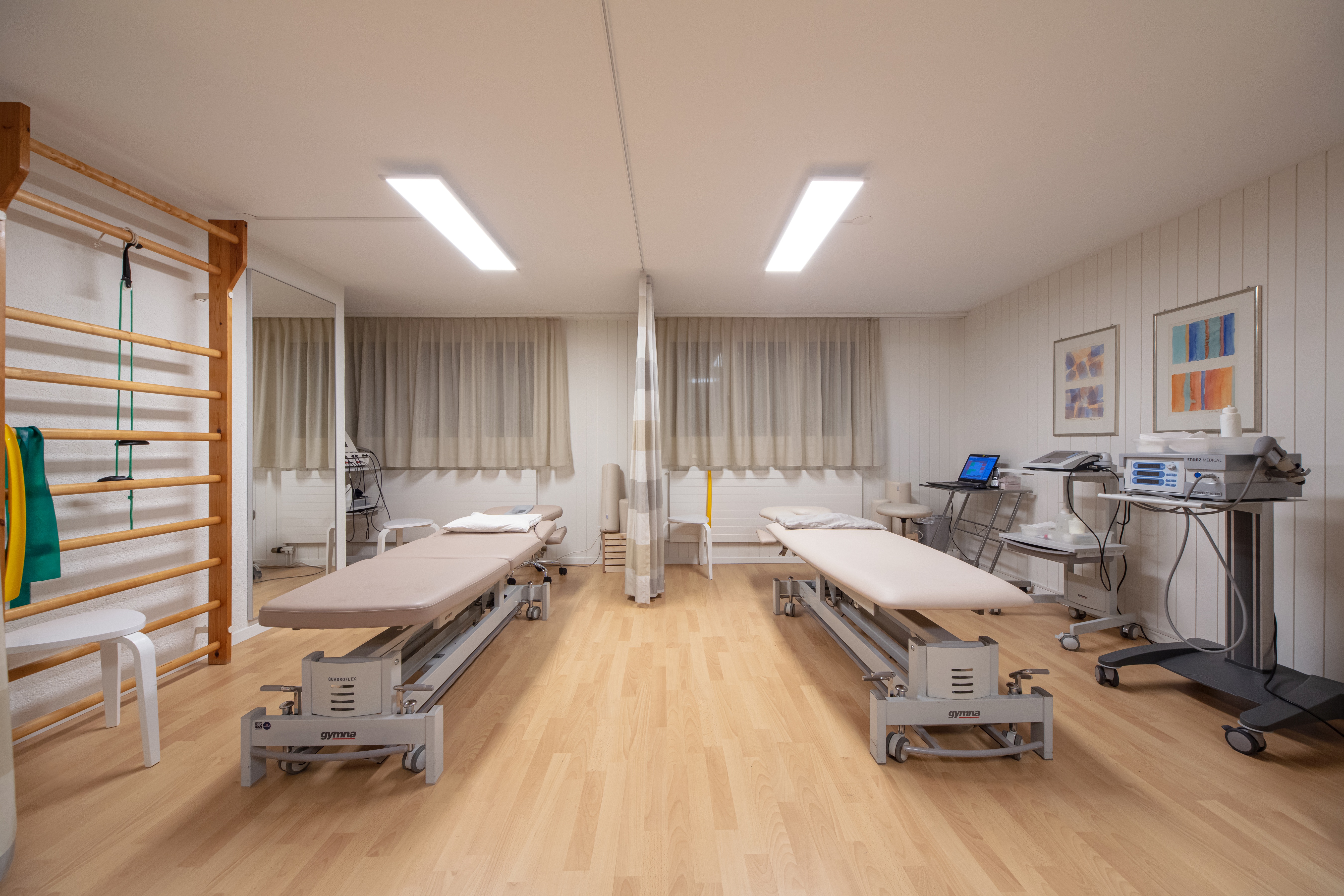
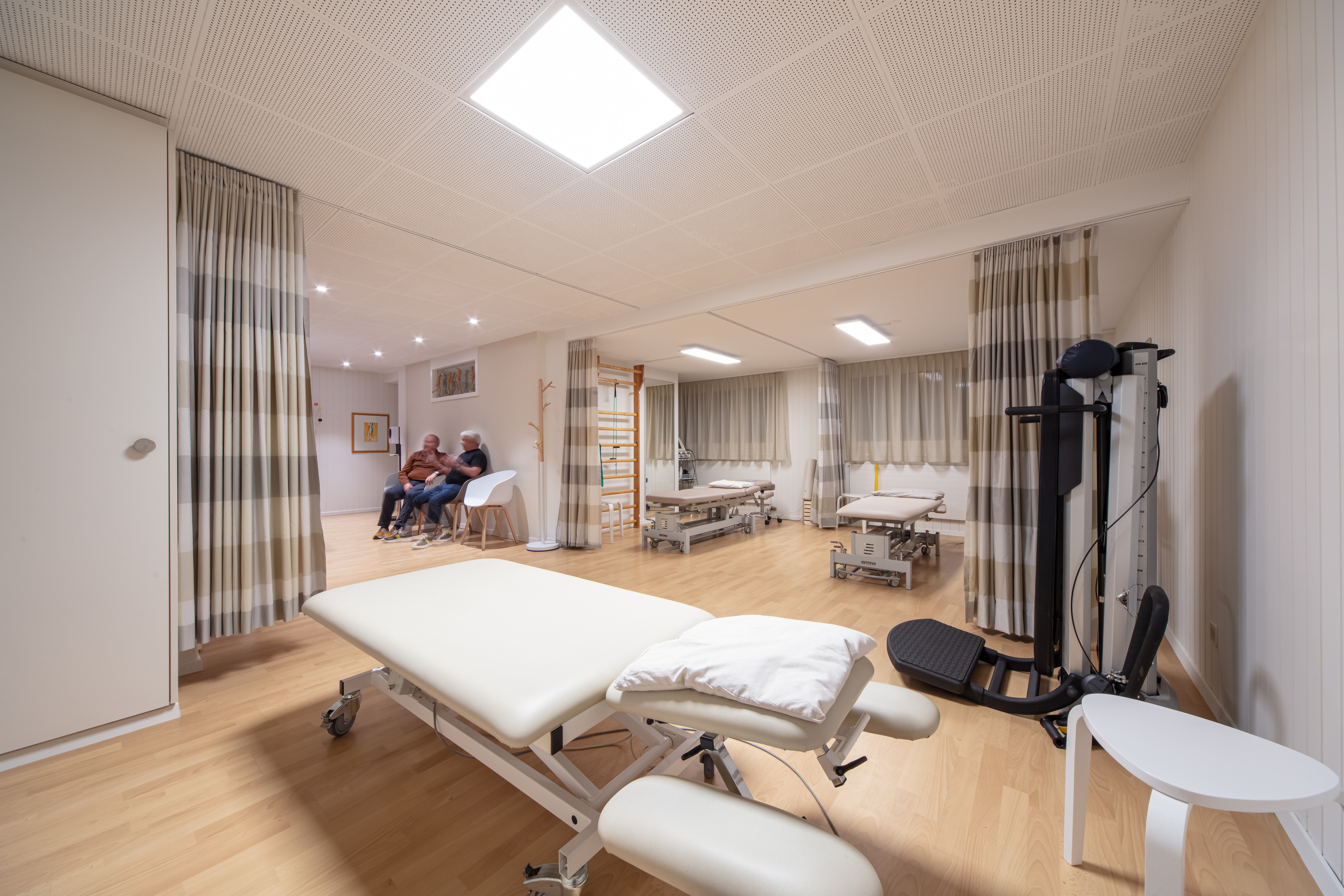
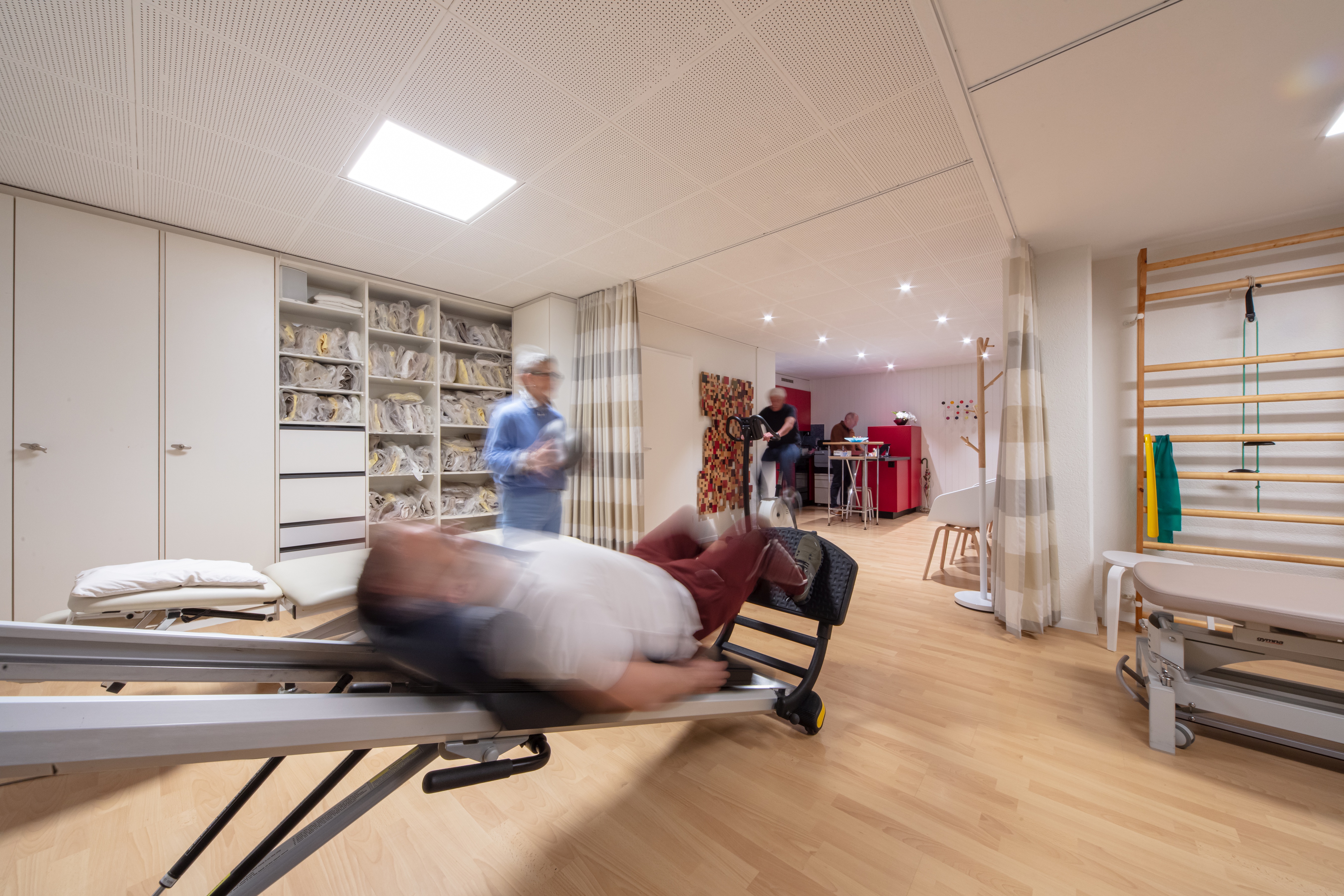
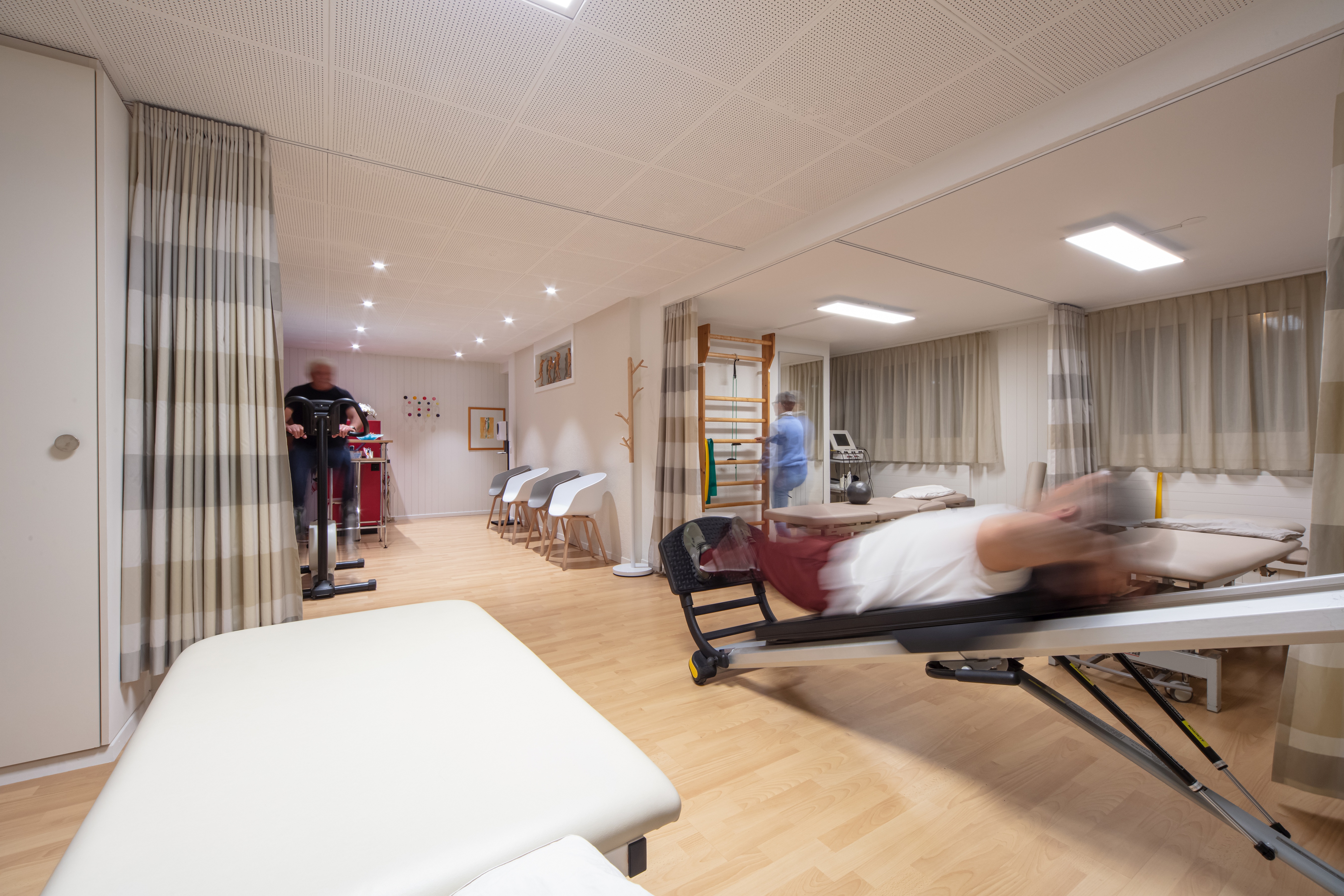
Unser Team mit Dipl. Physiotherapeuten hat sich kontinuierlich weitergebildet und methodisch und technologisch gerüstet. Seit über 30 Jahren helfen wir unseren Patienten die Lebensqualität zu verbessern.